2024.03.21
A new city is rising in Egypt. But is it what the country needs?
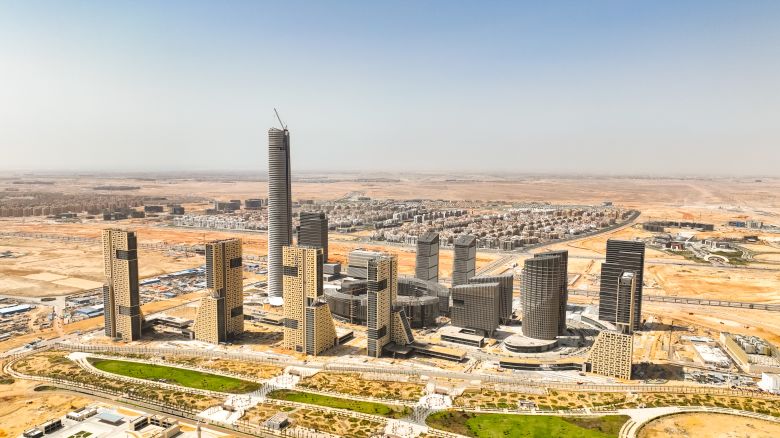
In an expanse of desert 30 miles east of Cairo, Egypt, a new city is rising. Already boasting the tallest tower in Africa and the biggest cathedral in the Middle East, the city is one of a series of President Abdel Fattah el-Sisi’s grand megaprojects intended to develop the country’s economy.
Construction of the “New Administrative Capital” began in 2016, and is being completed in phases. According to Khaled Abbas, chairman of the Administrative Capital for Urban Development (ACUD), the company overseeing the project, phase one is almost complete and phase two is expected to begin in the last quarter of this year.
Slowly but surely, life is beginning to trickle into the city. More than 1,500 families have moved in, according to Abbas, and by the end of 2024, he expects this number to have risen to 10,000.
With government ministries relocating to the new city, there are already around 48,000 government employees working there, he says, many of whom commute from eastern Cairo via an electric train that started operating last year. In March, as parliament starts directing its meetings from the city and several banks and businesses move their headquarters there, more people are expected to move in.
Eventually, “the whole country will be managed from within the new capital,” Abbas adds.
He says phase one cost around 500 billion Egyptian pounds ($10.6 billion). The project has previously been estimated to cost around $58 billion in total, with the government saying it will be funded by ACUD and the proceeds of land sales, although some reports suggest it is costing the state billions.
Critics are concerned about the expense as the country goes through a period of economic downturn and deals with increased pressures from the war in Gaza. Egypt’s economy is being boosted by international funding, including from the World Bank, which announced Monday that it would provide Egypt with more than $6 billion over three years. Earlier this month, the International Monetary Fund said it would increase its current loan program for Egypt from $3 billion to $8 billion, contingent on economic reforms, including a “new framework to slow down infrastructure spending,” to help reduce inflation and preserve debt sustainability.
ACUD, which is 51% owned by the military and 49% by the housing ministry, told CNN that the development of the city would not be affected by the IMF announcement. In February, ACUD announced that Dar, a global architecture and engineering firm involved in phase one of the city, had been awarded the contract to create a detailed master plan for phases two, three and four of the capital. Abbas says that the second phase is expected to cost around 300 billion Egyptian pounds ($6.4 billion).